What you bring
Plastic waste access, CSR/marketing budget, brand guidelines, and preferred install locations in or near Miami / Biscayne Bay.

Brand CSR program
Our main revenue model: partnerships with brands that have plastic waste — using marketing and CSR budgets to create branded benches and lasting site furniture.
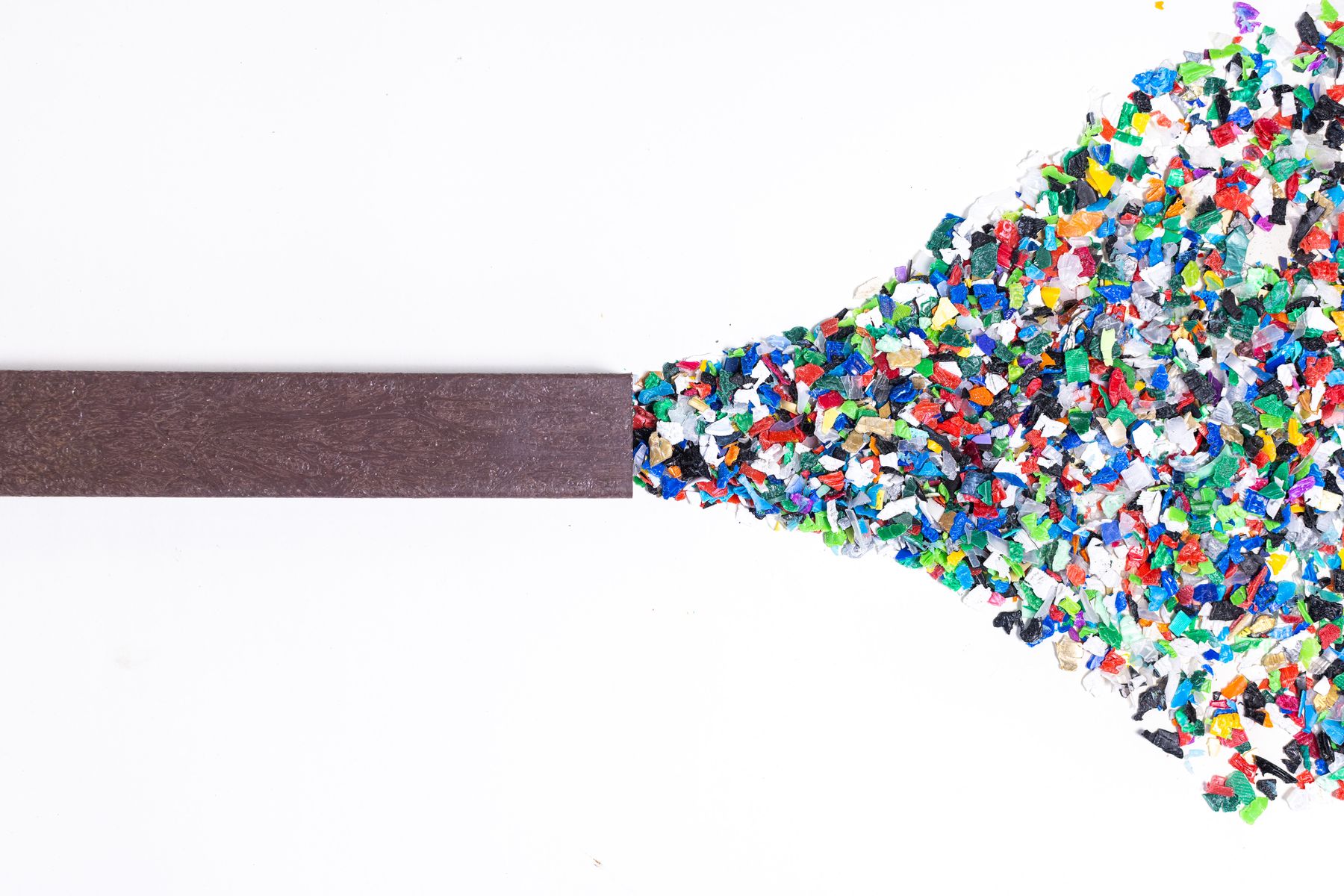
A simple path from waste stream to waterfront bench.
You have plastic packaging, operational scrap, or collected coastal/brand waste. We assess volume, resin types, and logistics together.
Define the story: Plastic to Public Good. Decide where furniture will live — campus, park, hotel, Bay-adjacent public space — and how branding appears.
Waste is processed into plastic lumber and fabricated into benches or other agreed products — durable, maintenance-light, outdoor-ready.
Furniture is installed in public or semi-public space. Your brand gains a tangible CSR asset people can see and use — not only a footnote in a report.
Track the metrics we agree on together, such as pounds of plastic diverted and pieces installed, and plan the next wave of product or sites.
Our Chilean partner Desafío Ambiente also offers corporate advisory on eco-design and circular economy around waste (desafioambiente.com).
Plastic waste access, CSR/marketing budget, brand guidelines, and preferred install locations in or near Miami / Biscayne Bay.
Material transformation know-how, furniture design, outdoor durability, and a clear circular narrative.
Seating and site amenities that resist rot, moisture, and insects — funded by waste that might otherwise be discarded.
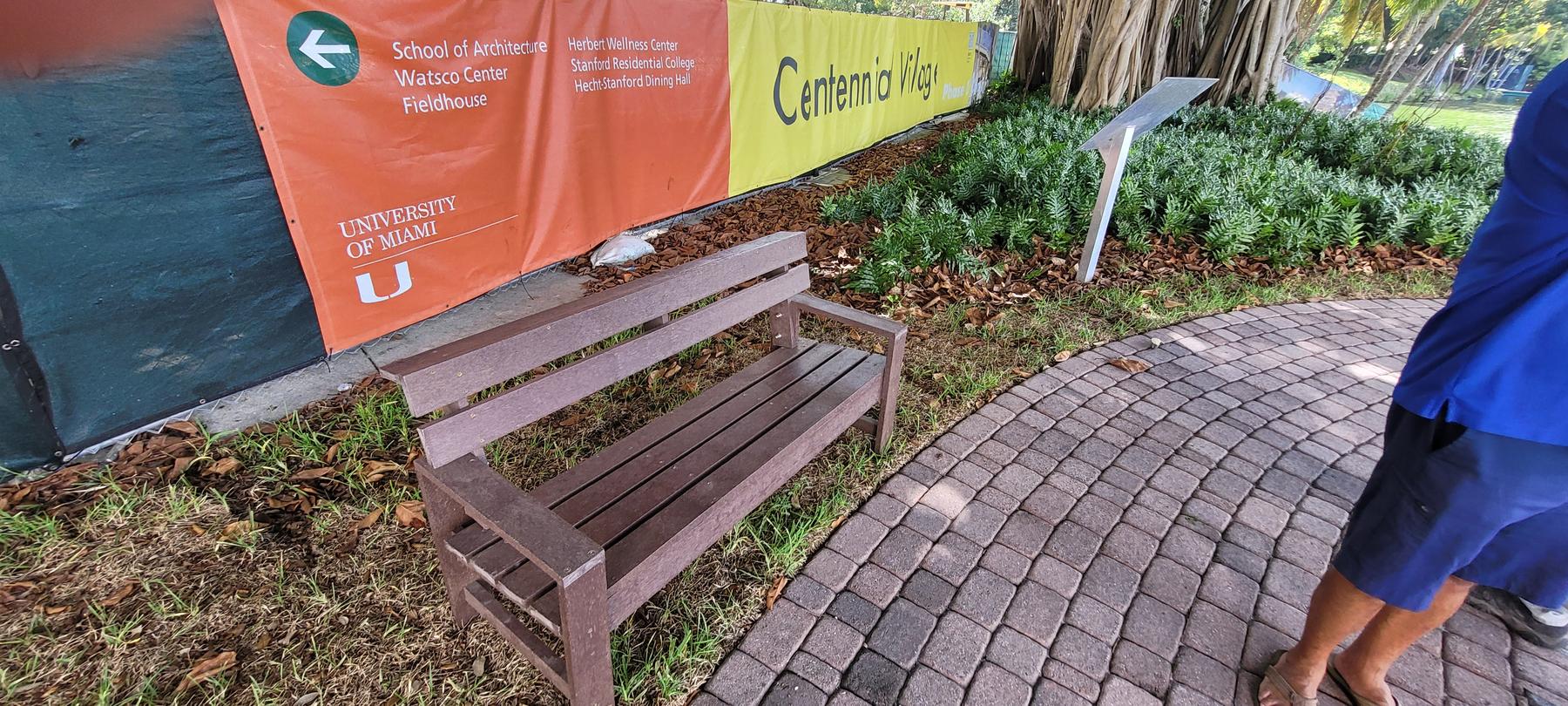
Campus and civic installs put your CSR where people gather.
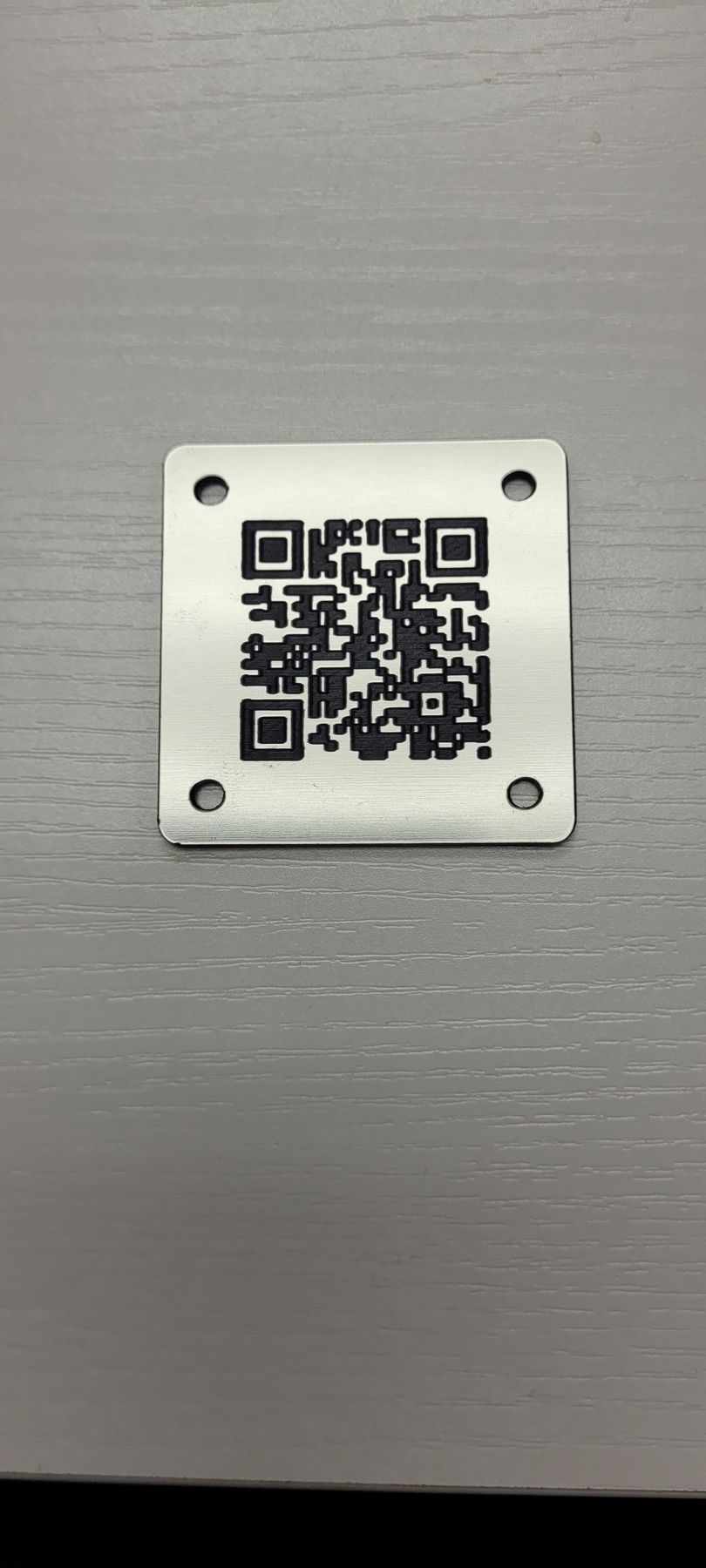
QR plaques on furniture can link visitors to your waste-to-product narrative.
Brand-waste-to-product examples from our manufacturing partner Desafío Ambiente / Everwood in Chile — not Everwood USA clients. They show how partner waste becomes lasting products.
1,146 kg of recycled HDPE and PP from medical supplies (gowns, shoe covers, and other inputs) transformed into Christmas ornaments. Reported eco-benefits in the project write-up include about 2,000 kg CO₂ and over 2 million litres of water saved. Source: desafioambiente.com portfolio.
About 2.2 km of interpretive trail rebuilt using 9 tonnes of recycled plastic waste for walkways, bridges, signage, and bird-watching decks — funded in part by a La Crianza and TriCiclos campaign. Source: desafioambiente.com / sendero sostenible.
Corporate gifts and event giveaways molded from recycled plastic — and laser-engraved with your logo. Ideal CSR swag that people actually keep.
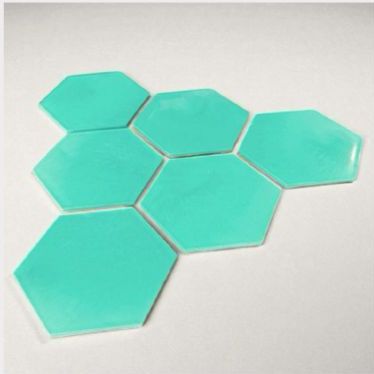
Sets of 6 — Chile sheet: ~90 caps per set; free laser logo from 10 packs. US terms on request.

Desk gifts — Chile sheet: ~90 caps; free laser logo from 10 units. US terms on request.
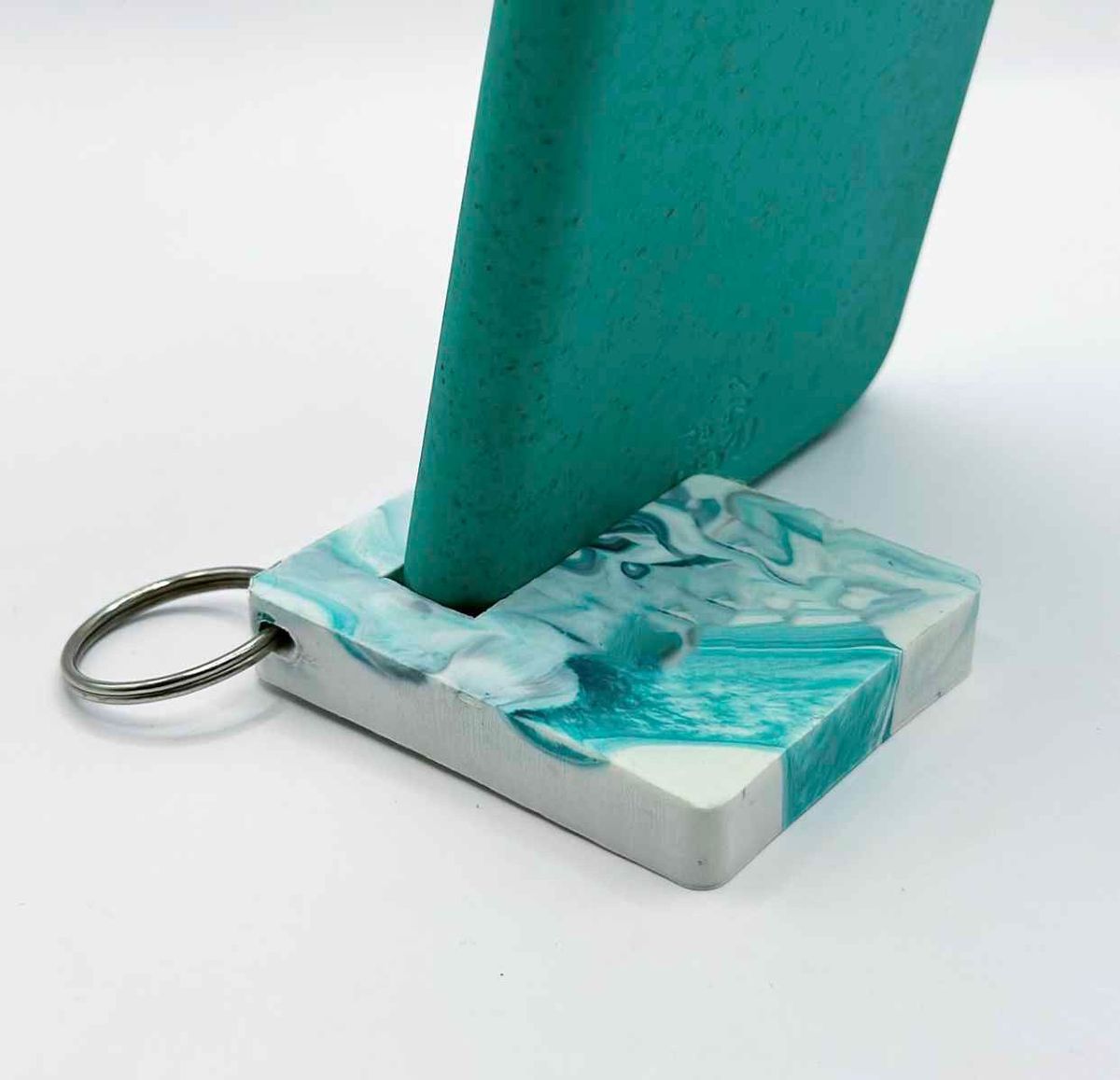
Pocket-sized gifts for events and hospitality, plus beach paddles (coming soon).
Each coaster set or laptop stand keeps about 90 bottle caps out of the trash (Chile product spec). Chile sheets offer free laser engraving from 10 units or packs; ask us for US minimums and engraving terms.
See Shop Ask about branded runsBreak Free From Plastic brand audits have ranked Coca-Cola the #1 top global plastic polluter for six consecutive years (2018–2023). Independent analysis of 2018–2022 audit data found The Coca-Cola Company accounted for about 11% and PepsiCo about 5% of branded litter counted. Those findings are a call to partnership — not a claim that any brand works with Everwood.
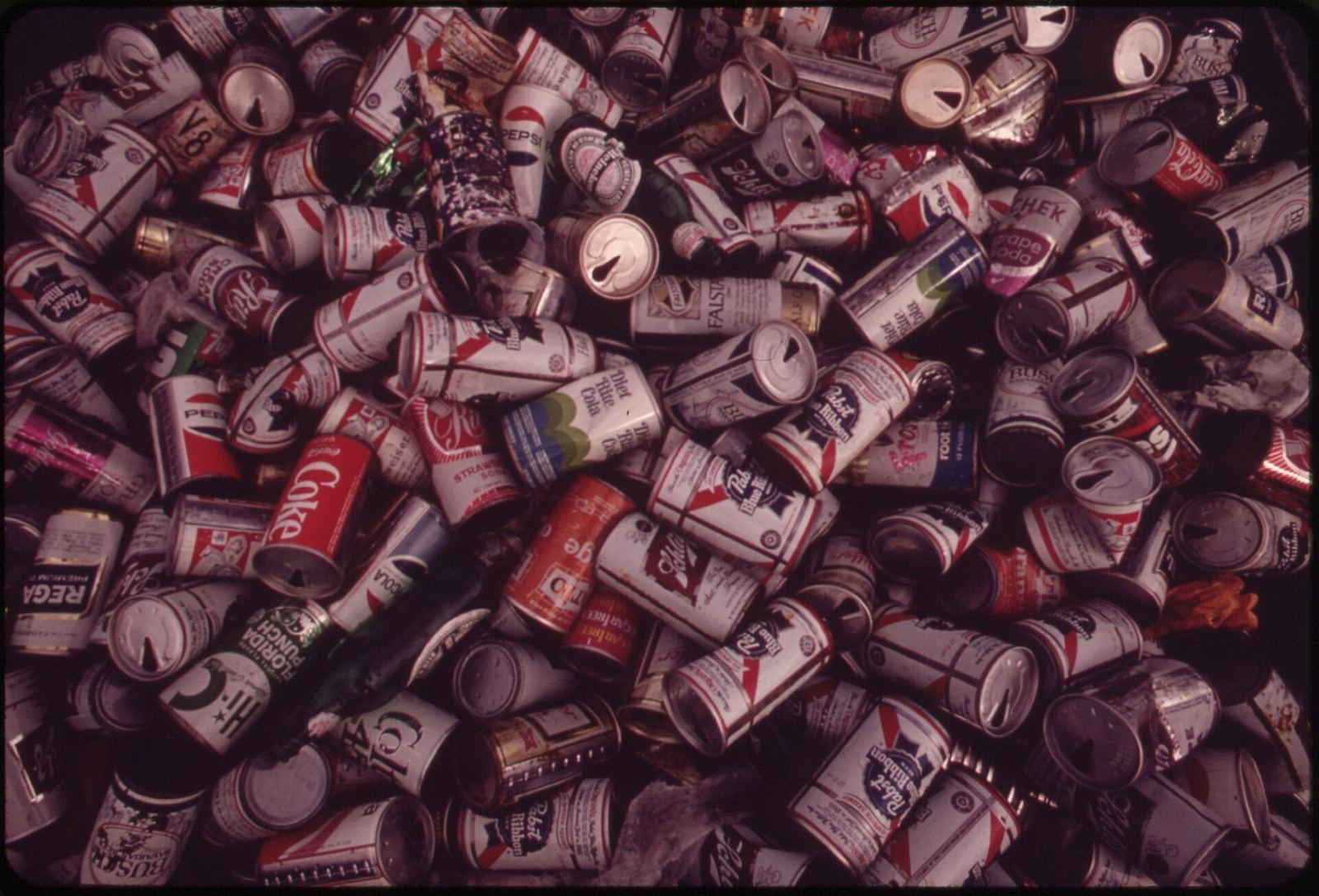
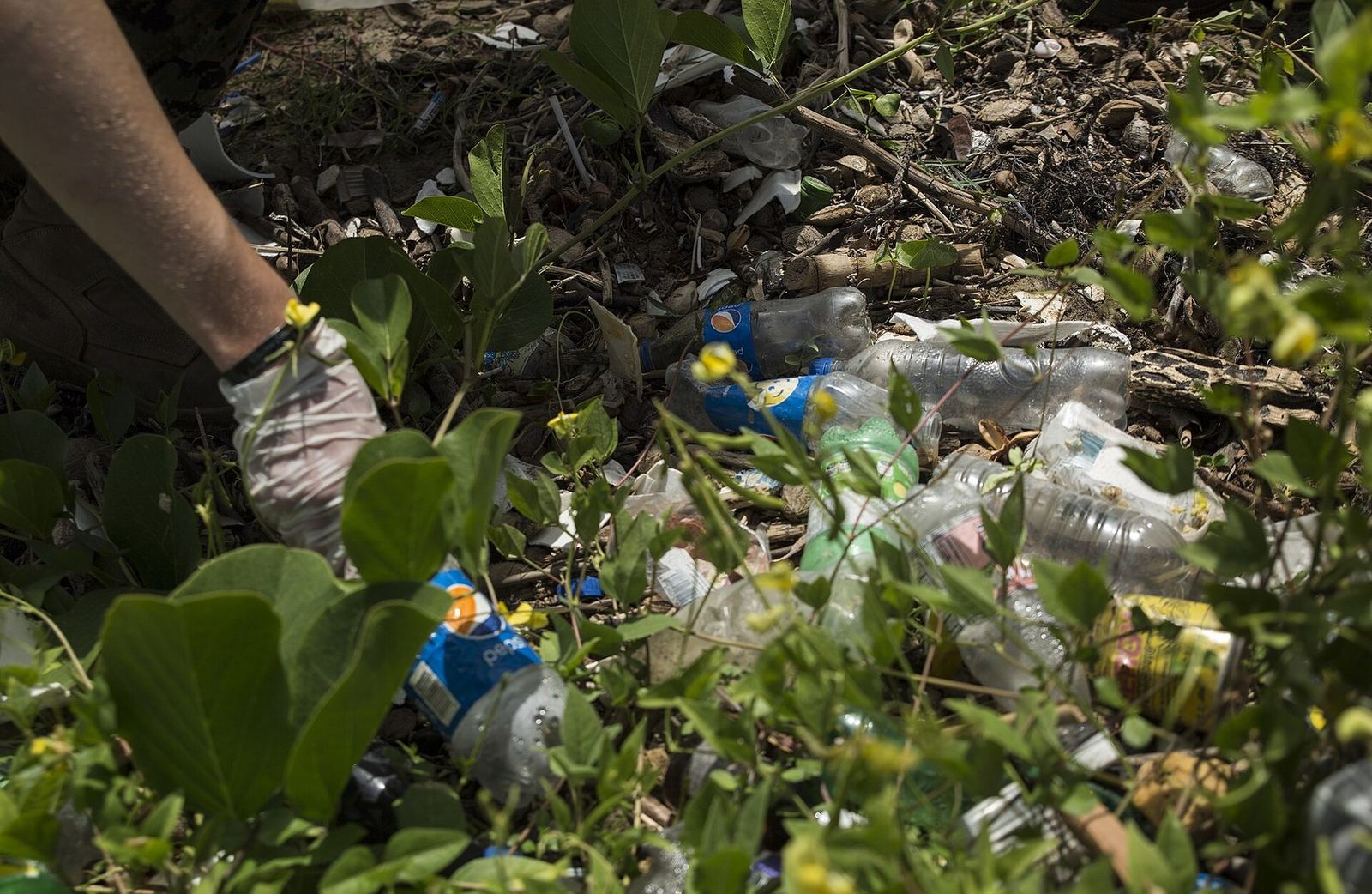
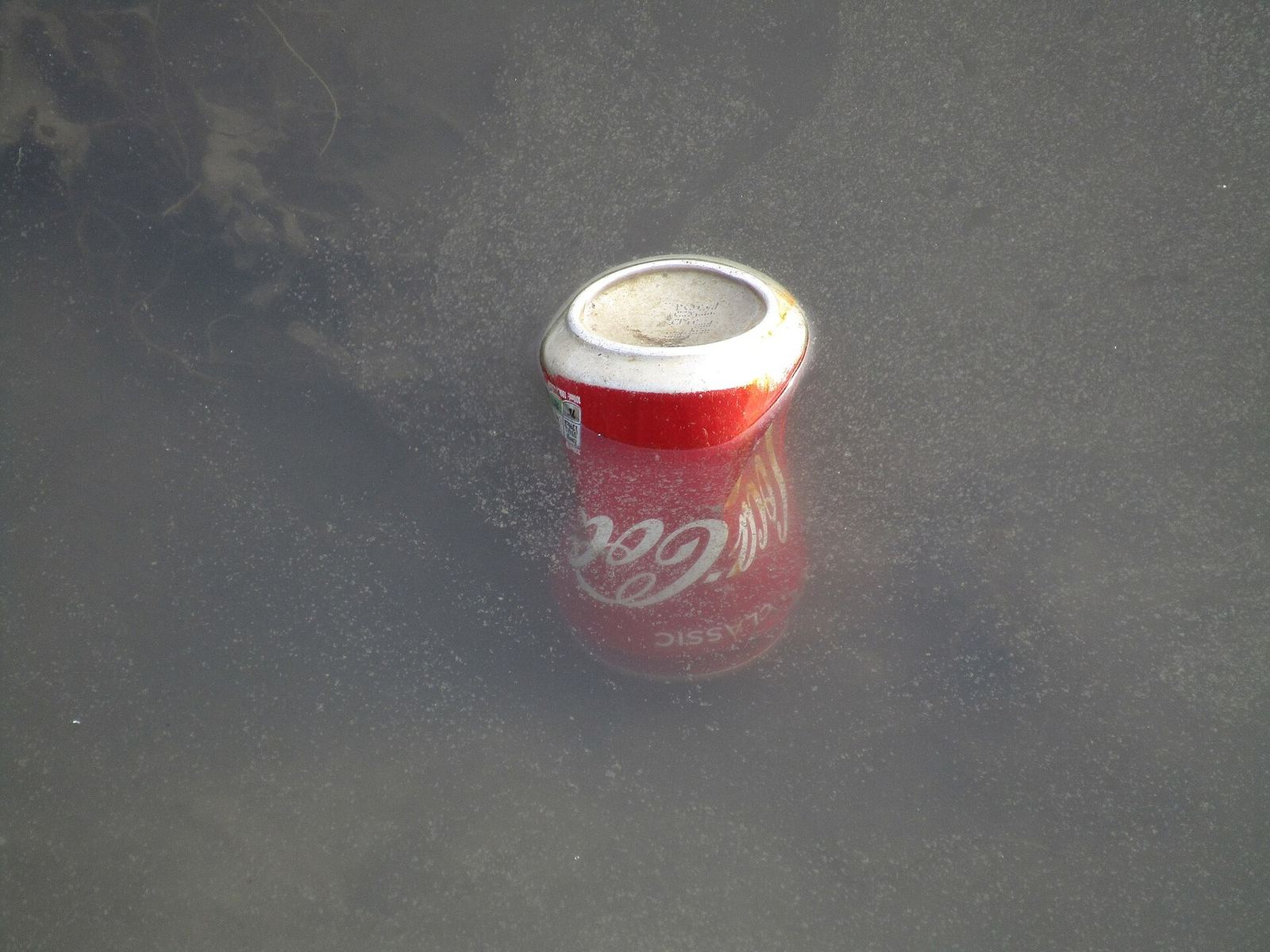
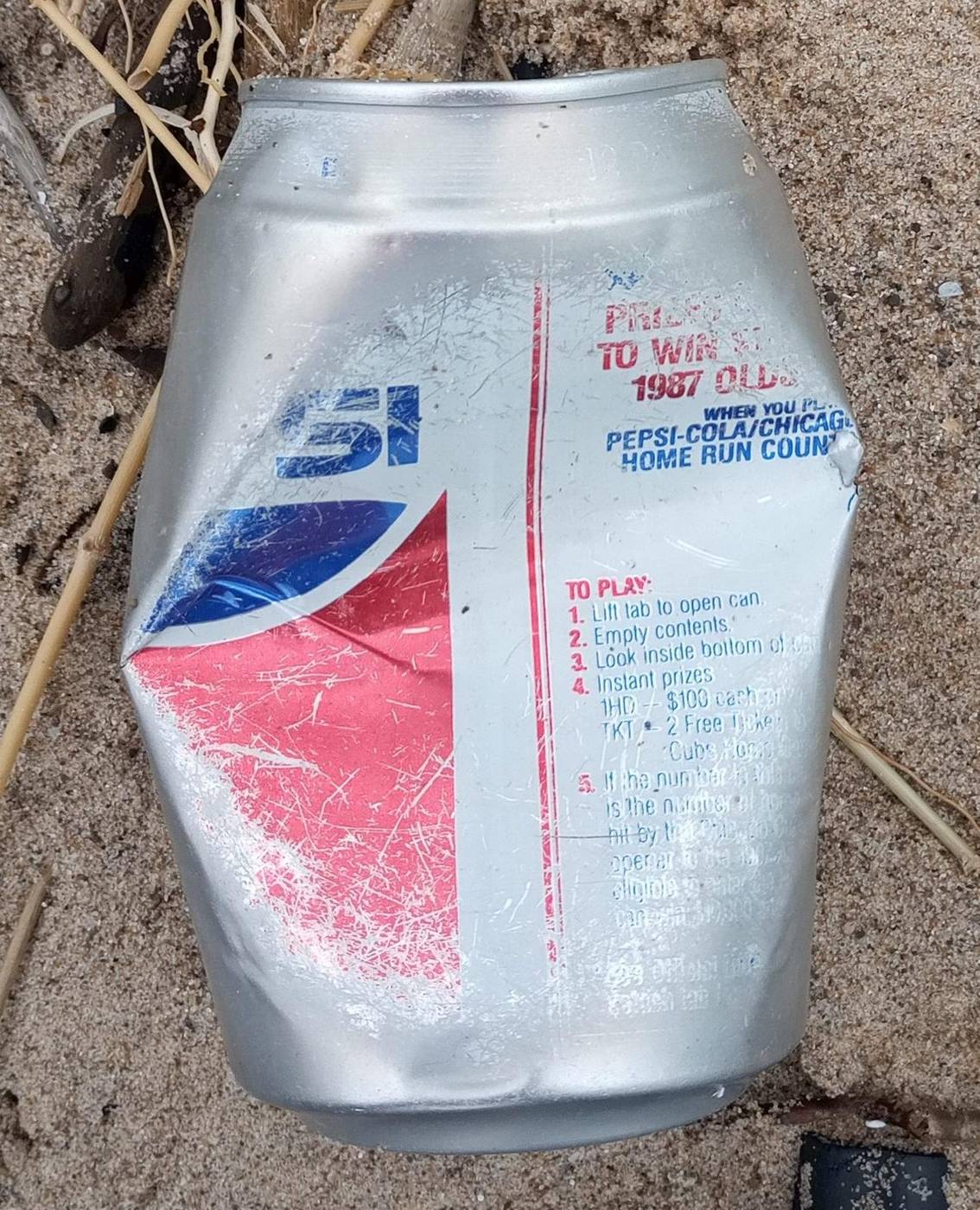
The world’s biggest brands have pledged to recover packaging and raise recycled content. We turn collected plastic into lumber and furniture their communities can use — a visible “collect and remake” proof point. No brand shown here is an Everwood partner or endorser.
Photos illustrate packaging litter globally; they do not depict Everwood projects or partnerships. Image credits.
Florida law limits citywide bans on bags and foam — but cities can still set plastic rules on their own property and in their own contracts, which is where public furniture lives.
Polystyrene (foam) regulation is also largely preempted statewide, with an important carve-out: local governments may still restrict polystyrene use by individuals on public property, temporary vendors on public property, or entities in a contractual relationship with the local government (Fla. Stat. §500.90).
City ordinances ban expanded polystyrene and plastic straws/stirrers citywide, with further rules for beachfront concessionaires, balloons at marine facilities, and consumable plastic décor on public property. Plastic-bag rules for the right-of-way/sidewalk cafés are enforced through agreements rather than a code ban. Source: Miami Beach Rising Above — Regulations.
The City Commission approved a procurement policy to eliminate single-use plastics, including Styrofoam, in future City contracts with concessionaires on City property — explicitly not a citywide private-business ban, “in compliance with State law.” Source: miami.gov news, March 12, 2026.
Effective June 1, 2025, the Village prohibits single-use plastic products in all Village facilities and applies the policy to Village-sponsored events and affiliated vendors — part of “Plastic Free KB.” Source: keybiscayne.fl.gov.
What this means for cities: they can’t always ban bags or foam citywide, but they can control their own beaches, parks, events, and contracts — exactly where Everwood benches and site furniture go.
Share your waste profile and goals. We’ll respond with a practical next step.
Contact partnerships